Water Filtration
Systems on Cape Cod, MA
Cape Cod's water specialists — PFAS, iron, and well water experts serving Falmouth, Hyannis, Yarmouth, Dennis, and all Cape Cod towns. Free water testing, lifetime warranty.
What's In Cape Cod's Tap Water?
Cape Cod relies entirely on a single underground aquifer for drinking water — the Cape Cod Sole Source Aquifer. This makes water quality a critical concern for every homeowner. PFAS contamination, iron, and saltwater intrusion are the top concerns we see across Barnstable County.
PFAS 'Forever Chemicals'
Cape Cod has some of the most significant PFAS contamination in Massachusetts, largely linked to firefighting foam used at military installations including Otis Air National Guard Base. PFAS are linked to cancer, thyroid disease, and developmental harm. They do not break down in the environment or human body.
Status
Major concern on Cape Cod
Health Goal
Near zero ppt
Iron & Manganese
Private wells across Cape Cod frequently contain elevated iron and manganese. These cause reddish-brown staining on fixtures, laundry, and dishes, plus a metallic taste and odor. Many homeowners deal with iron staining as a constant issue.
Status
Extremely common in wells
Health Goal
0.3 mg/L (iron)
Saltwater Intrusion
As Cape Cod's sole-source aquifer is drawn down, coastal wells can experience saltwater intrusion — especially in low-lying areas near the ocean. This raises sodium levels and can affect taste and appliance performance.
Status
Coastal areas
Health Goal
Low sodium ideal
Hard Water (3–10 GPG)
Cape Cod groundwater typically contains moderate hardness from the sand and gravel aquifer. While generally lower than some inland areas, many homeowners still experience scaling, soap scum, and reduced water heater efficiency.
Status
Common
Health Goal
Soft water ideal
Disinfection Byproducts (TTHMs)
Municipal water systems on Cape Cod use chlorine or chloramines for disinfection. These react with organic matter to form trihalomethanes and haloacetic acids, linked to cancer and reproductive issues.
Status
Municipal systems
Health Goal
Lowest possible
Cape Cod's sole-source aquifer makes water quality especially important. PFAS contamination, iron, and saltwater intrusion are the most common concerns we see. A free in-home test is the only way to know exactly what's in your water.
Common Cape Cod Water Problems
And the systems we use to solve them.
PFAS "Forever Chemicals"
Cape Cod has some of the most significant PFAS contamination in Massachusetts, largely linked to firefighting foam used at military installations. PFAS are linked to cancer, thyroid disease, and developmental harm. They do not break down in the environment or the human body.
Our solution
Reverse osmosis is the most effective residential technology for removing PFAS from drinking water. An under-sink RO system gives you peace of mind at every glass. For whole-home protection, advanced filtration systems can reduce PFAS at the point of entry.
Iron & Manganese (Well Water)
Private wells across Cape Cod frequently contain elevated iron and manganese. These cause reddish-brown staining on fixtures, laundry, and dishes, plus a metallic taste and odor. Many homeowners deal with iron staining as a constant issue.
Our solution
An iron and sulfur filter system is essential for Cape Cod well water. It oxidizes and removes iron, manganese, and sulfur before they reach your fixtures. For drinking water, a reverse osmosis system provides the final purification.
Saltwater Intrusion
As Cape Cod's sole-source aquifer is drawn down, coastal wells can experience saltwater intrusion — especially in low-lying areas near the ocean. This raises sodium levels and can affect taste and appliance performance.
Our solution
A reverse osmosis system removes dissolved salts and sodium from drinking water. For whole-home protection, we can assess your well depth and recommend solutions based on your specific situation.
Recommended for Cape Cod Homes
Systems that address Cape Cod's specific water challenges.
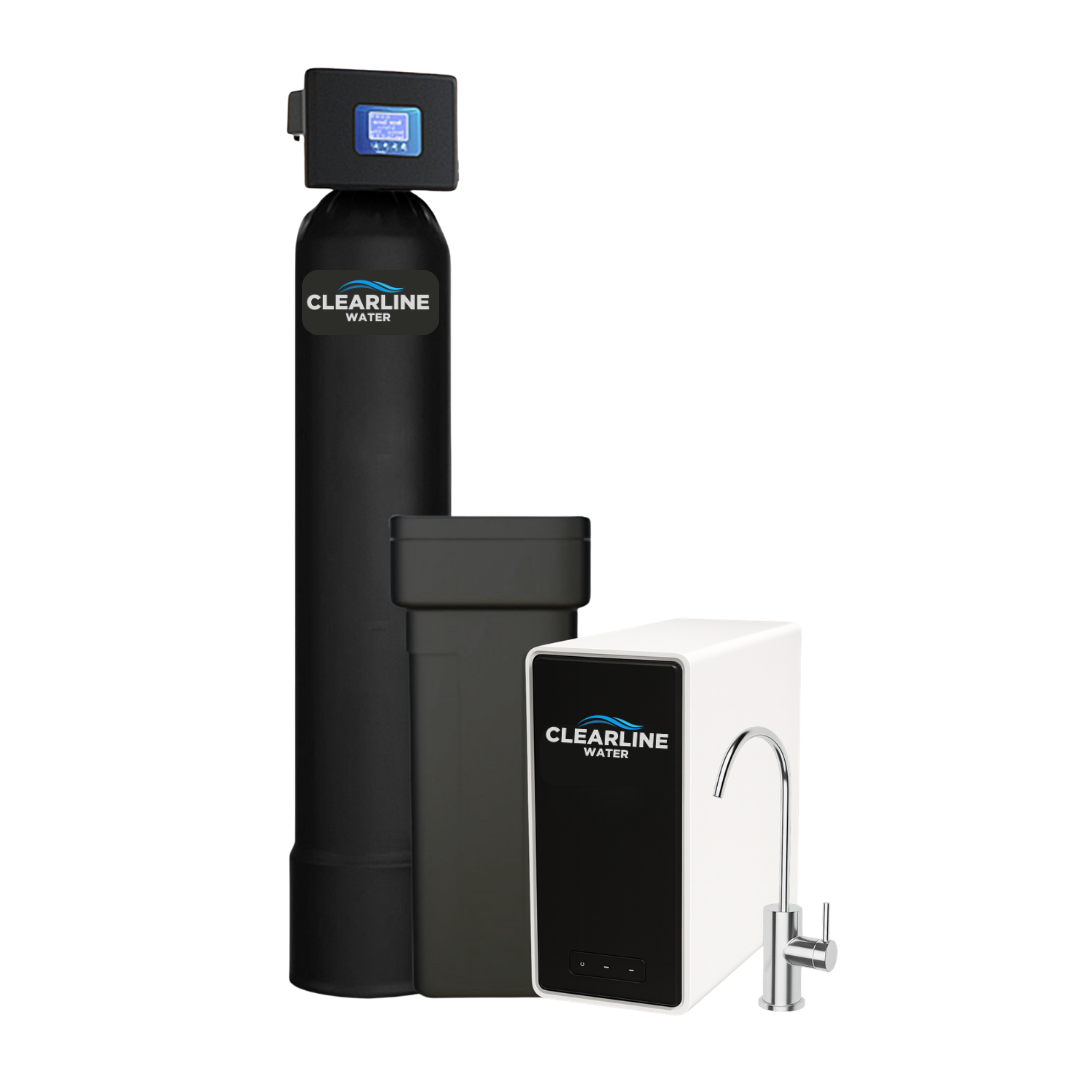
Filtration + Softening + RO
Complete Home System
Learn more →

Well Water Treatment
Iron & Sulfur Filter
Learn more →
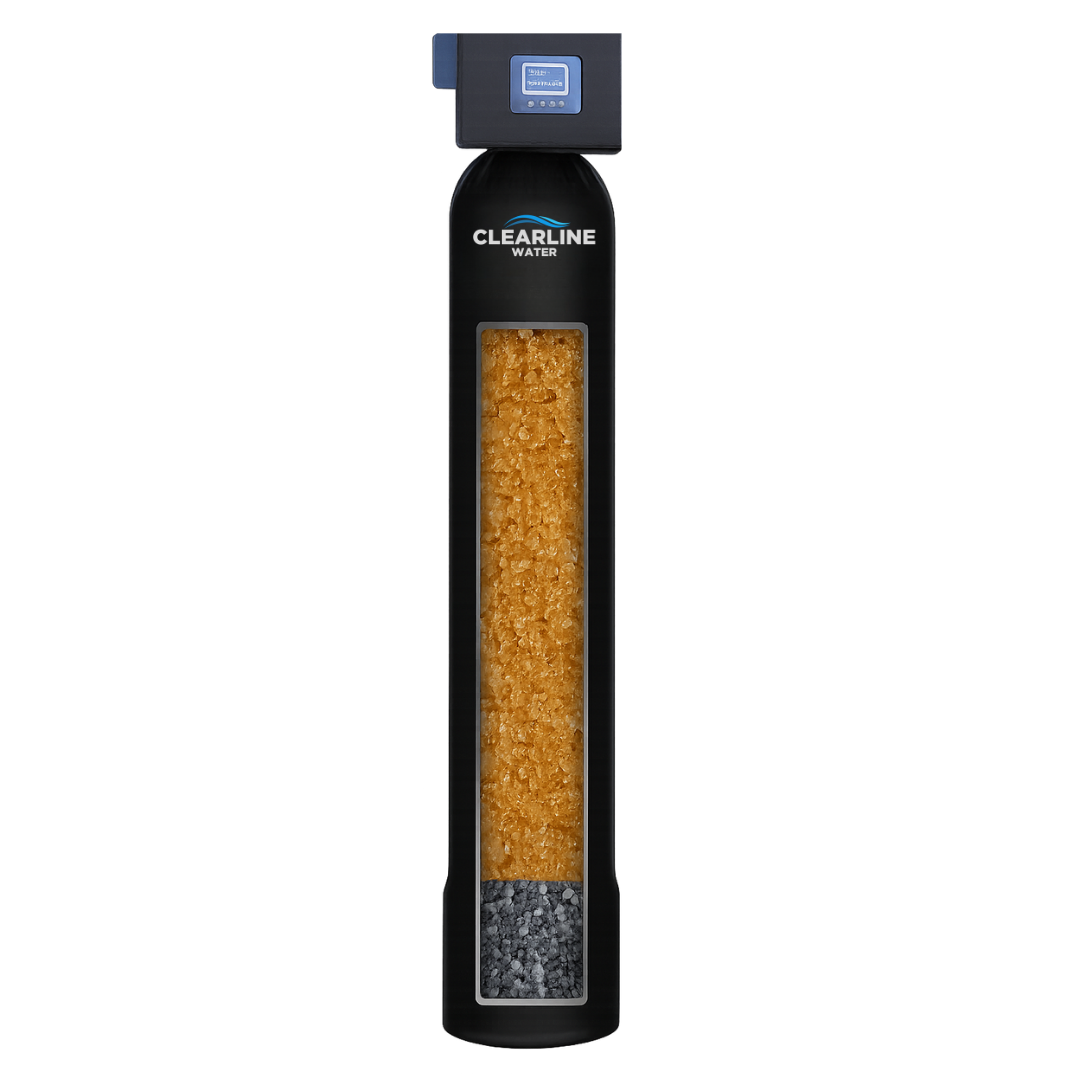
Single Tank Resin
Water Softener
Learn more →
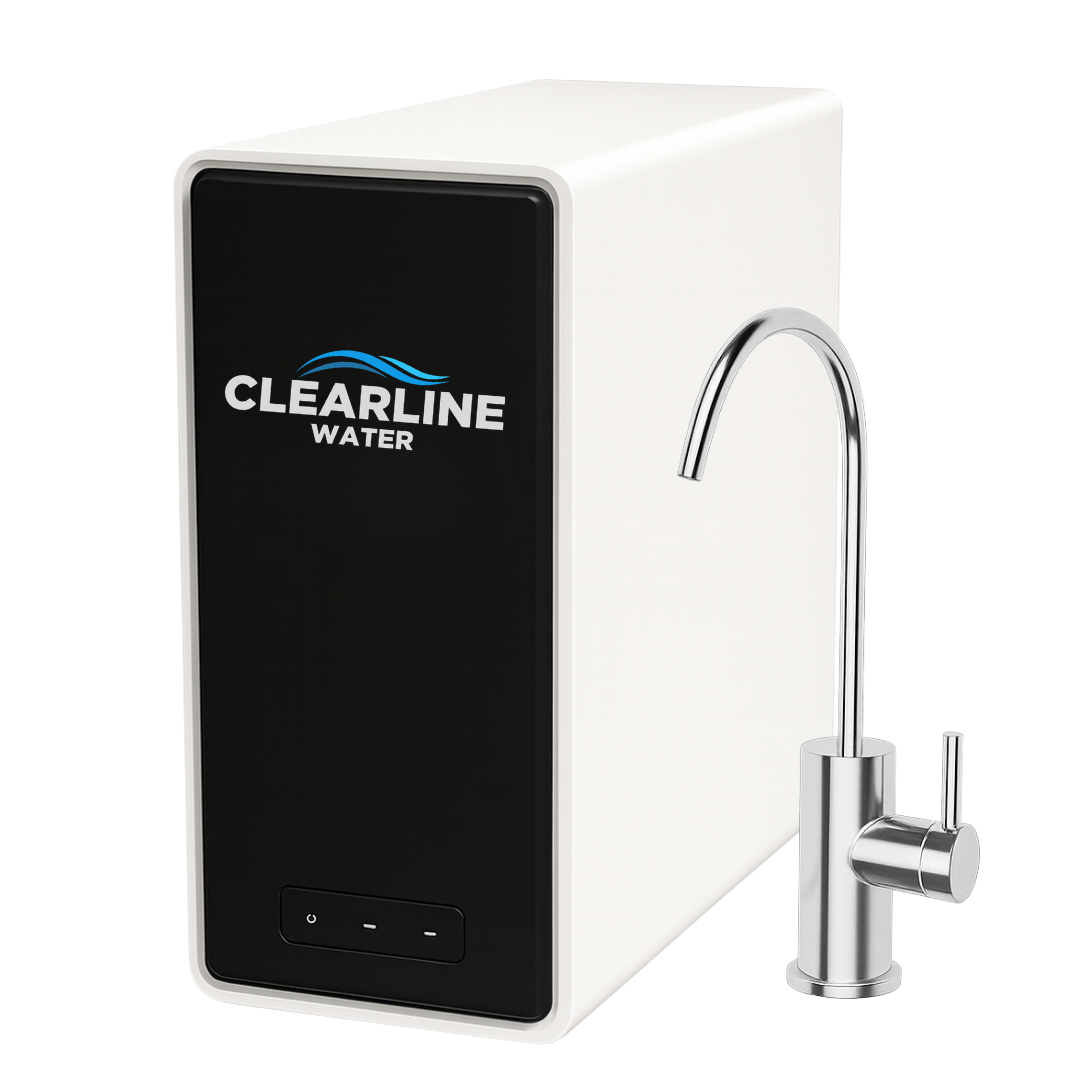
7-Stage Tankless RO
HW800 AlkaPro RO
Learn more →
Under-Sink Drinking Water
5-Stage Reverse Osmosis
Learn more →
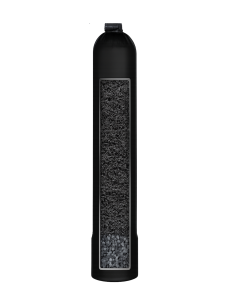
Chlorine & Sediment
Whole Home Carbon Filter
Learn more →
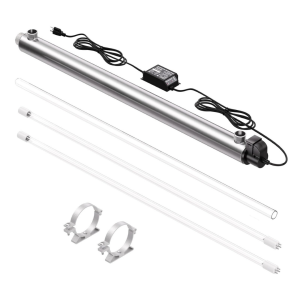
99.99% Germicidal Protection
UV Sterilizer
Learn more →
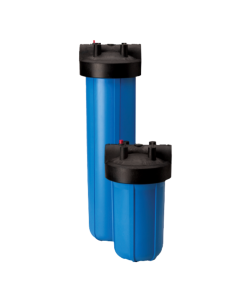
Whole House Protection
Pre-Sediment Filter
Learn more →
Serving All Cape Cod Towns
From Provincetown to Falmouth — we cover all of Barnstable County.
Water Quality on Cape Cod — Common Questions
Does Cape Cod have PFAS in the water?
Yes, PFAS contamination is a significant concern on Cape Cod, largely linked to firefighting foam used at military installations including Otis Air National Guard Base. PFAS are "forever chemicals" that do not break down in the environment or human body. They are linked to cancer, thyroid disease, liver damage, and developmental harm. A reverse osmosis system is the most effective residential technology for removing PFAS from drinking water, providing 95%+ reduction. For whole-home protection, advanced filtration systems can reduce PFAS at the point of entry. If you're on a private well on Cape Cod, PFAS testing should be a top priority.
Is Cape Cod water safe to drink?
All municipal water supplies on Cape Cod meet EPA Safe Drinking Water Act standards. However, Cape Cod's sole-source aquifer makes water quality especially vulnerable. Municipal water is treated for bacteria, but PFAS, iron, and other contaminants may still be present. Private wells are not regulated and may contain iron, manganese, bacteria, PFAS, or even saltwater intrusion in coastal areas. For drinking water, we strongly recommend an under-sink reverse osmosis system that removes 99%+ of contaminants including PFAS, lead, and disinfection byproducts. The only way to know for sure what's in your water is a free in-home test.
How do I get water filtration installed on Cape Cod?
We serve all Cape Cod towns from Provincetown to Falmouth, including Barnstable, Hyannis, Yarmouth, Dennis, Brewster, Chatham, Orleans, Sandwich, Bourne, Mashpee, Truro, Wellfleet, and Eastham. Every job starts with a free in-home water test. For municipal water customers, we typically recommend a carbon filtration system plus an under-sink RO for drinking water. For private well owners — which is common on Cape Cod — we frequently recommend iron and sulfur removal systems, UV sterilization, and water softening. Most installations take 2–4 hours, and every system is backed by a lifetime warranty. We understand Cape Cod's unique sole-source aquifer challenges and size every system accordingly.
Ready for Cleaner Water on Cape Cod?
Join Cape Cod homeowners who've already made the switch. Free in-home water test, no obligation. PFAS, iron, and well water specialists.